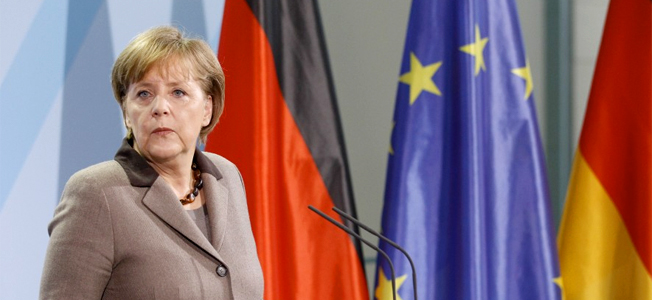
Political and economic turbulence within the Euro zone continues regardless of massive LTRO style financial intervention from the ECB or regular political summits. EU leaders strive for a return to growth with accompanying austerity measures appearing an at-odds policy combination. The austerity measures may last for many years in some countries like Greece and Spain with growth or jobs hard to come by while countries like Germany appear to be beneficiaries of the Euro zone experience. But appearances may be deceptive.
Vendor finance from German enterprises to help pay for their exports to many customers including most other Euro zone countries during the Euro’s existence has helped the German economy along with other fiscal measures to supposed prosperity. The Euro denominated bund (The German government’s federal bond) is considered a safe haven asset choice during these turbulent times with skittish markets and investors. The yield on 10 year bunds is only 1.36%.
The Federal German government’s sovereign debt is more than 80% of GDP. At that level is comparable to the US, UK and France with their own austerity drives fostering varying levels of political and public support. So does Germany really deserve such a safe haven status with its bunds? Is it just another country with too much debt and overvalued government bonds? US treasuries and UK gilts are considered other safe haven bond assets. All depends on a country’s ability to keep paying their coupons and maturing debt with new issues. The proposal of Euro bonds backed by the EU as a whole especially Germany is hoped by many governments, institutions and investors to be a real defence and saviour for the Euro currency area. It may take a while to arrive but heralding such a development may bring some relief.
What else may be required to provide lasting stability in the Euro zone. The Germans are reluctant to commit to fiscal transfer something which the UK has experienced between its regions for decades. Providing large amounts of cash to other countries is politically distasteful and hardly a vote winner. However it could be necessary to provide further financial stability and credibility plus maintaining German exporting competitiveness against other large manufacturing economies.
Convergence towards fiscal policy initiatives for the Euro zone countries may be a further step to an EU super state envisaged by EU luminaries and supporters but one that Germany may not like as it would be the paymaster for years to come. The alternative of a failed Euro zone are very unpleasant with severe financial shocks for the banking system, collapsing markets generally accompanied by rising extremist nationalist politics. A lot rests in the decisions in Berlin to avoid the worst of Euro zone disintegration for something that so far has worked in their favour.
European economic supremacy is a case of be careful what you wish for. It bites back. Over to you Angela.