
From 2016 the UK began generating more electricity from wind turbines than from burning coal. In April 2019 the UK,” set a new record for coal free-power” of 90 hours of using only gas, nuclear and renewable sources of energy including hydro and imports of electricity (FT,2019).
The government’s committee on climate change has proposed a zero-carbon emissions target for 2050 which presents considerable challenges for the UK’s generating sector. This will require serious debate to take decisive actions on future energy use patterns, storage and the technologies required to supply and distribute power to and from the national grid.
From a historical perspective, this dramatic reversal in fortune for old king coal’s once mighty dominance of power generation within a major economy such as the UK where over a million people once worked, with the majority underground, to remove the fuel to power industrial C.19th -20th British industry.
In the US, despite President Trump’s support of the coal industry and it’s Trump voting workers, coal production is facing similar competition from gas and renewables. In China and the fast-growing Indian economy, however, considerable amounts of coal-fired power generation are still being used.
It is this continued use of fossil fuels and the activities of energy suppliers and generators combined with agricultural practices, air travel, and the resultant waste from industrial production which pollutes land, sea, and atmosphere causing global environmental concerns over climate change.
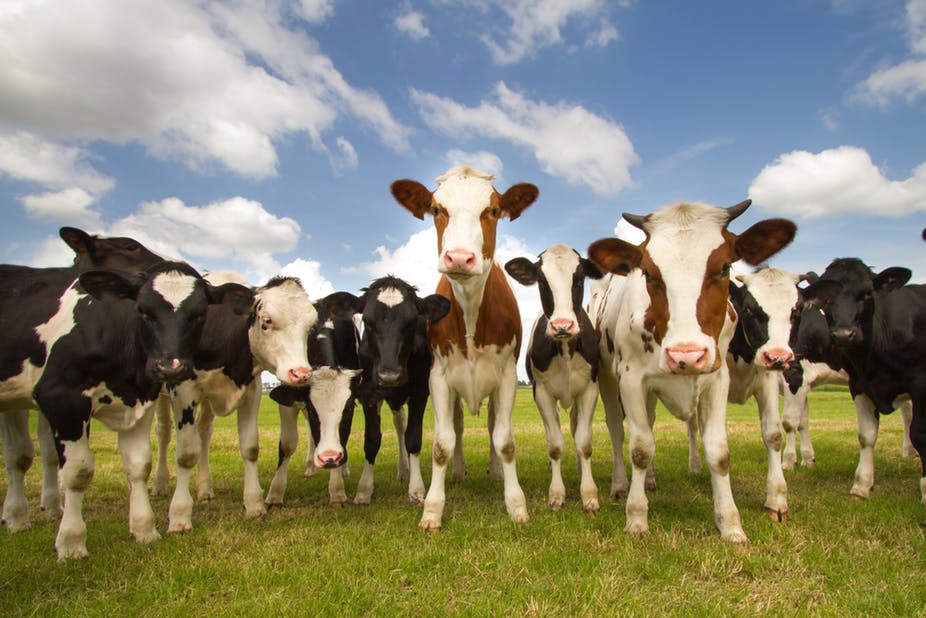
In the UK alone cattle and sheep produce 21m metric tonnes of greenhouse gases every year, mainly methane, which is more harmful than carbon dioxide for increasing global warming. Sky News reports that a 20% reduction in red meat consumption would help reduce carbon emissions by 6 million tonnes (Sky, 2019).
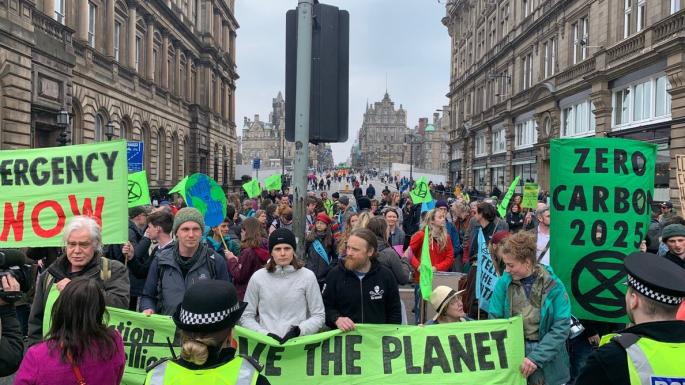 Swedish teenage environmentalist Greta Thunberg, a leading protagonist in school children’s walkouts to protest the failure to address climate change, represents the younger generation’s growing radicalism with environmental matters which are becoming more politically polarised during the C.21st. with wealthier or older generations.
She endorsed the radical action group Extinction Rebellion’s street protests for the same cause of radical reductions in lifestyle choices and habits for consumers and global travelers. Someone needs to tell their celebrity supporters that flying around the world to participate in their protests is contrary to their ultimate goals of radical lifestyle change to reduce carbon emissions.
Coal’s reduction in use and status from the C.19th-21st should be welcome news to climate protesters. Arguably progress has been made utilizing cleaner and renewable technologies to reduce fossil fuel emissions albeit slower than activists demand. It is occurring visibly on the landscape in developed nations as wind farms and solar parks attend.
Major developing nations with every right to prosper will need to implement their own pledged carbon reductions. If they don’t-will they too face the criticism of the environmental radicals and lectures on lifestyle choices from developed world’s teenagers?
How will President Xi Jinping and Putin respond to those critics-one will find out I imagine?
What is noticeable about coal’s decline in developed countries is that it’s lamented more than celebrated even though it’s polluting, dirty and was back-breaking dangerous work. Mine closures, a feature in President Trump’s 2016 presidential campaign, can destroy not just local communities but the collective political power and diminished the identities of the people who over generations of male-dominated work it created.
Left-wing politics has drawn its power base long and deep from the mining industry in all countries from west to east. Surely, this poses an awkward irony to bear for left-wing environmentalists.
New technologies that create rapid change to agricultural yields, such as genetic modifications to crops, insect control or water treatment, affects the welfare of poorer people in many developing countries and not just the eating habits of emergent middle classes or richer Westerners forever more burgers.
 This combined with rapid alterations to renewable energy generation, storage, and transportation plus goods and people helps alter lifestyles for the betterment of humanity and less the detriment of the planet but allows choice and freedoms to flourish.
A wider question to pose- is does the 4.5 billion years old planet self-regulate itself or require humans to save it from themselves and their methane-producing livestock? Requiring developing nations to heed those mostly western activists and slow their rise to economic pre-eminence once more to suit developed nations political sensitivities and political agendas?
Surely the answer is what humans do best in developing better technologies and co-operating to reduce pollution levels and increase trade and raise prosperity between nations. An attempt to decrease economic activity and return civilization to a past-state of affairs has an air of child-like and out-date command and control thinking.
This is the argument that that one would have thought successful wealthy investors and leading western politicians would be promoting relentlessly at Davos or recently at the Milken Institute’s annual gathering in Beverly Hills in Los Angeles.
However, concerns from speakers and guests focussed on young Americans being taken in by socialism and the appeal of left-leaning democrats like Alexandria Ocasio-Cortez in Congress and that capitalist needs to get the message out that,” it’s working,” said a former Alphabet Chairman to reduce the likelihood of strife between social-classes (FT,2019).
 The criticism here is that elites needs to appeal to people who see them as self-serving cronies who keep the lion’s share of the prosperity to themselves and impoverish increasing amounts of people with capitalist practices. This is a prickly opinion to change especially when capitalists’ dissenters speak-out,” dubbing philanthropy an elite charade to preserve plutocrats’ status quo,” (FT,2019).
Quite a derisive comment when combined with the incongruity of benefitting from tax avoidance schemes and yet talking about income equality at global conferences set in exclusive surroundings protected by security abundant staff.
The solution again requires measured debate before calculated yet decisive actions between capitalists and the radical environmentalists with the former mindfully using capitalism’s never-ending ability to adapt and overcome adversity and avoid succumbing to privilege and indulgence.
In conjunction the latter accepting dialing back modernism is fruitless and their effort to rid the planet of human over-consumption and bad habits is done by ensuring best practice and adoption of new technologies and methods for both rich and poor alike. Wishful thinking perhaps although far from impossible if the stakes are so high.
Bluntly, it requires a new blend of reformed capitalism with social and environmental benefits fit for C.21st complexities. It’s better than harking back to so-called glory days of 1980s Thatcher-Regan economics or far worse Corbyn’s misty-eyed view of 1960s socialism which most Millennials wouldn’t recognize as a world they would ever want to experience in their lifetimes.
The Chinese are trying to align the world in their favour by the Belt and Road initiative with loans for development while concerns over debt burdens grow (See blog-9th March 2018). It is a plan for many to believe at least more than talking in a bubble or taking back control whatever that means that dominate politics in places like the UK since 2016.
As authors Ian Goldin and Chris Kutarna discuss in their book Age of Discovery: Navigating the risks and rewards of our new renaissance (Bloomsbury, 2016) that in the late C.15th-C.17th the challenges for rising prosperity using new ideas against forces of authority or dogma existing then as they do again now.
The battle is against populists mobilizing the disaffected quicker than innovators and scientists making progress to move humanity forward.
The real challenge for C.21st young and old is to allow innovation and reasoned thinking to overcome populist sentiment whether in the offices of power or pushing for the wrong sort of societal changes.
LDC.
References and further reading-
Financial Times, (2019), ‘Can renewable energy sector drive further cuts in UK emissions? Improved electricity storage vital as government eyes tougher greenhouse gas targets’ by Leslie Hook, Financial Times Ltd 2019, London UK, Website accessed: 15th May 2019: https://www.ft.com/content/4f1b33a6-61f1-11e9-b285-3acd5d43599e
Financial Times, (2019), ‘Elite gathering reveals anxiety over ‘class war’ and ‘revolution’ by Andrew Edgecliffe-Johnson, Lindsay Fortado and James Fontanella-Khan, Financial Times Ltd 2019, London UK. Website accessed: 15th May 2019: https://www.ft.com/content/0f9cf638-6c28-11e9-80c7-60ee53e6681d
Financial Times, (2019), ‘Bosses must dare to leave their bubble. If business leaders are serious about reforming capitalism, they need to start listening’ by Andrew Edgecliffe-Johnson, Financial Times Ltd 2019, London UK. Website accessed: 15th May 2019: https://www.ft.com/content/fbb531b8-6d7f-11e9-a9a5-351eeaef6d84
Goldin, I & Kutarna, C, (2016),’ Age of Discovery: Navigating the Risks and Rewards of Our Renaissance,’ Bloomsbury Publishing PLC London UK.
Sky News, (2019), ‘We must ditch red meat to save planet, top scientist warns. A report claims a 20% reduction in red meat consumption would reduce greenhouse gases by around six million tonnes a year’ by Thomas Moore, science and medical correspondent; Sky UK 2019. Website accessed: Wednesday 15 May 2019: https://news.sky.com/story/we-must-ditch-red-meat-to-save-planet-top-scientist-warns-11720791