
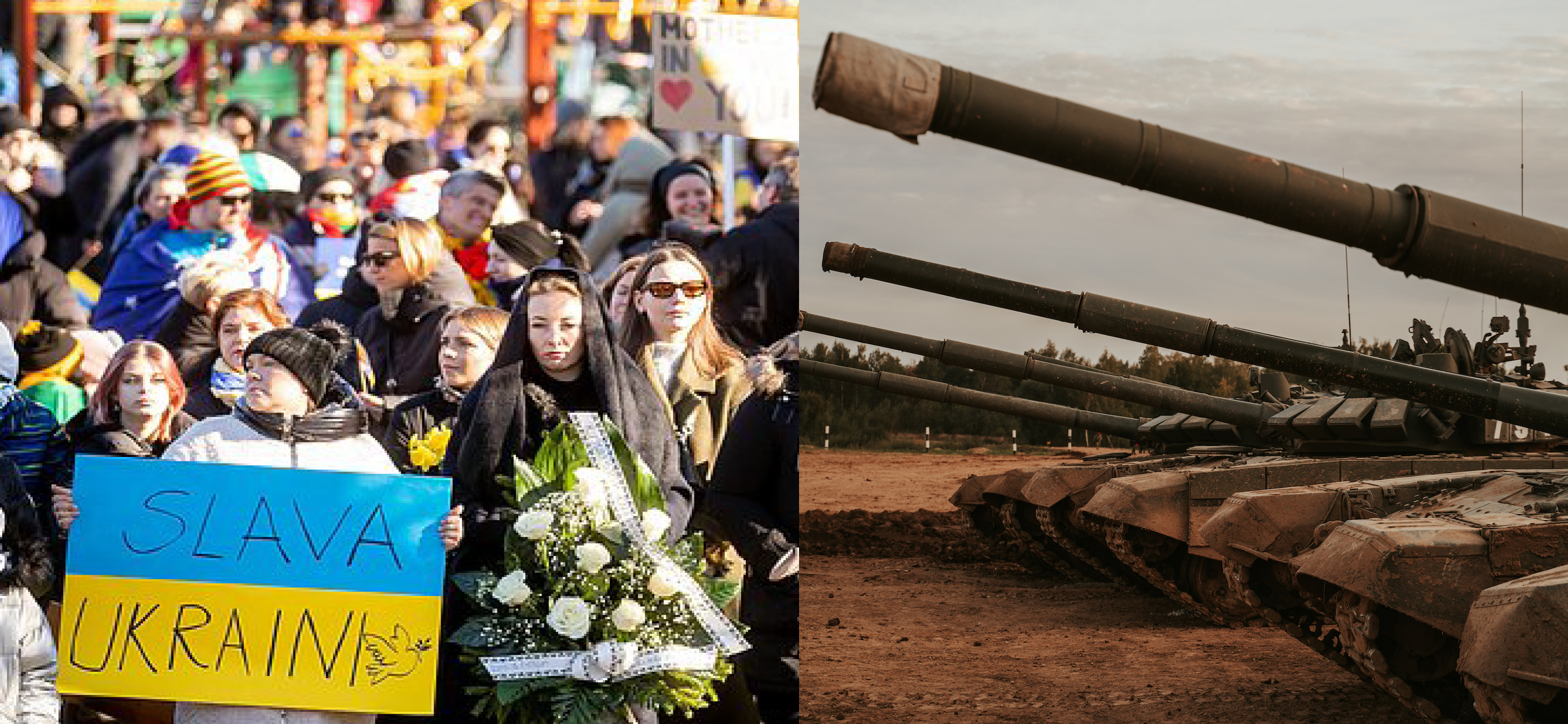
The complicity blog’s conclusion (Little Deal Clincher, August 2023) mentions of the Problem of Appropriate Accountability which concerns citizens who are substantially removed from decision-making or effective influence over events. These events can be political, military, or commercial. It is where culpability and complicity are retrospectively applied, after injustices or accusations of such have occurred, to non-participatory citizens who lack detailed or sensitive knowledge about such events, regardless of their electoral duties or cultural affinities.
When discussing complicity, terms such as responsible, accountable, and culpable are all interconnected. They convey the structure, purpose and meaning to the term, itself. The blog agrees that citizens are responsible for their actions, accountable to others for judgment, and if found culpable, as a committed citizen group or state, punishable for their crimes, through their complicity in knowingly and intentionally participating in injustices.
The late philosopher of intergenerational justice Professor Janna Thompson (2006, p.167) wrote that “making a democracy work is less about holding periodic elections and more about upholding a system in which citizens can act collectively to protect common goods and to ensure justice is done”. She qualifies this by adding, “citizens have different ideas about common goods and justice, and political debate is often about what these things mean”, (Thompson, 2006, p.167). This signifies that the debate must extend well beyond the complicity of ordinary citizens to form any abiding conclusion and legal humanitarian decrees.
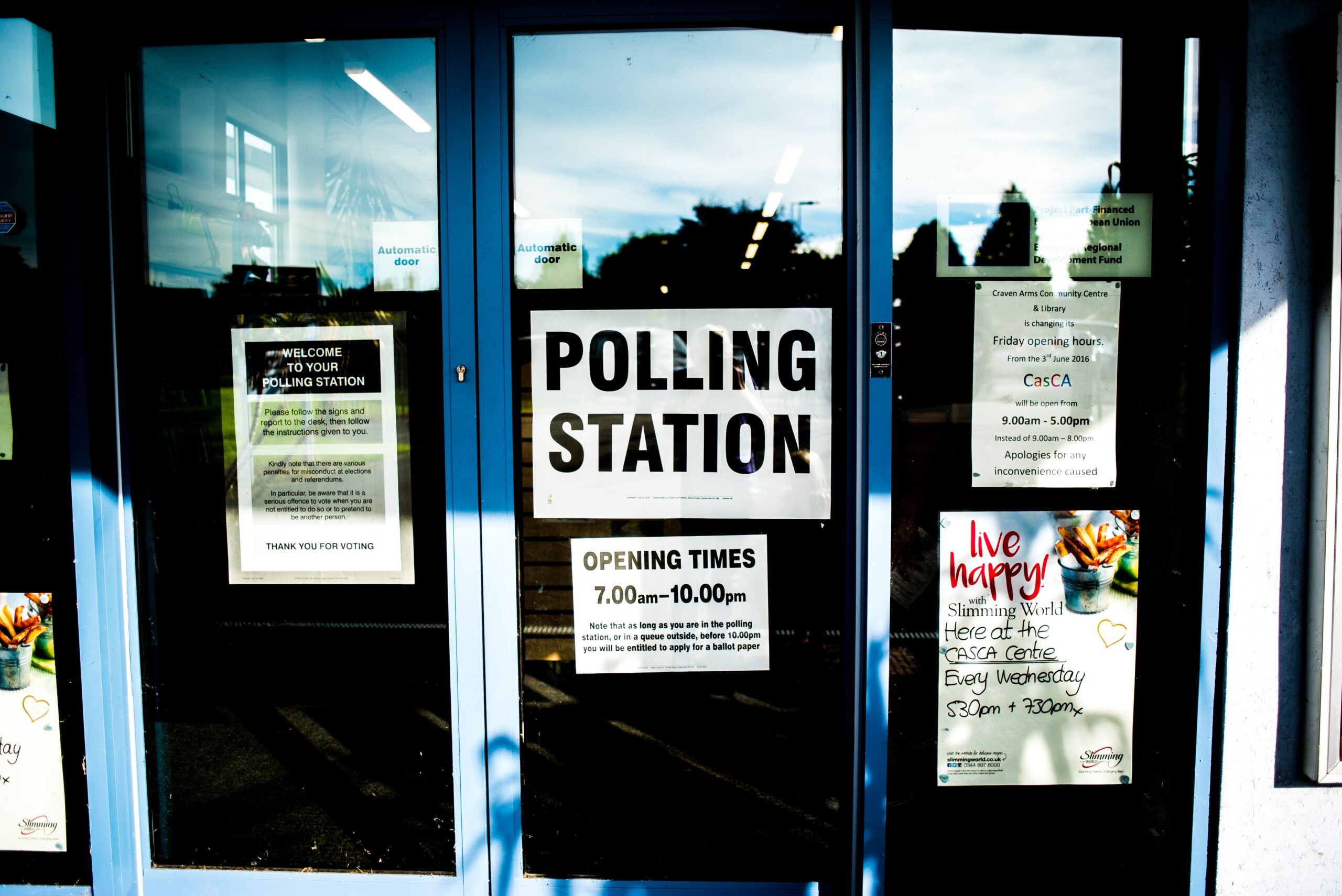
Furthermore, in functioning democracies, effective political debates take place through parliamentary representatives to produce legislation. Ordinary citizens’ political participation, the blog argues, is largely over after voting on the election manifesto pledges by constituency candidates. After that, citizens have limited recourse to intervene in parliamentary processes, except by writing to their representative or voicing their disapproval by demonstration, until the next election.
Elected politicians decide on legislation, and the executive enacts policy. There is a separation in knowledge, intentions and participation between ordinary citizens and their elected representatives and institutional officers. Thus, the individual political representatives’ positions over policies and issues are important factors to consider before voting.
This can be described as a weaker argument for citizens not being culpable for the actions of their government and leading institutions. Nevertheless, it still makes a significant distinction of who are less complicit than others for any injustices committed. The stronger argument for citizens not being complicit in their government’s actions reject the claim by analytical philosopher of social phenomenon Professor Margaret Gilbert that collective group participation and actions where she has “no doubt that citizens [have] generally committed themselves” to participating in civic duties even “if the wrongful action occurred before [they] were born” and their implicated complicity in past injustices (Thompson, 2006, p160).
The degree of complicity suggested by Gilbert does not extend to infants or those born after the cessation of the injustices. The 20th century Swiss-German psychiatrist and philosopher Karl Jaspers’s fourth concept of guilt (the metaphysical type) in his Question of Guilt (1947) article states that guilt is transferred into the minds of future generations even though they were not alive to participate in the injustices but still bear the psychological punishment. This is not a satisfactory long-term outcome for the well-being of a nation.
That, itself, seems a further injustice, albeit to different victims. Therefore, strongly suggesting it is harmful to perpetually accuse subsequent generations of causing injustices after the events cease. This more pluralist view contrasts with Gilbert’s assertion of complicity for all time for all people who happened to be born later into the same collective group or nation.
The August 2023 blog questions and looks to separate the degree of complicity and culpability with national entities. Between politicians, especially ministerial, senior military commanders, or police officers, high -ranking civil-servants, judges, or senior executive management of large corporations for any injustices in contrast to ordinary citizens whose only effective politically contribution is voting at an election. (Military or commercial activities have their own laws and regulations for all levels of involvement).
Agreeing with and approving of the government or disagreeing and protesting their actions aside. With no further legal or tangible involvement in the decision-making process or actions of a meaningful level outside military or police operations. It is reasonable to assume ordinary citizens collective responsibilities for any injustice are far less than the executive or those empowered by democratic means. Therefore, any culpability should only be aimed and accepted by the citizenry for a defined period and degree and not as Gilbert states as perpetually culpable for participation in past actions.
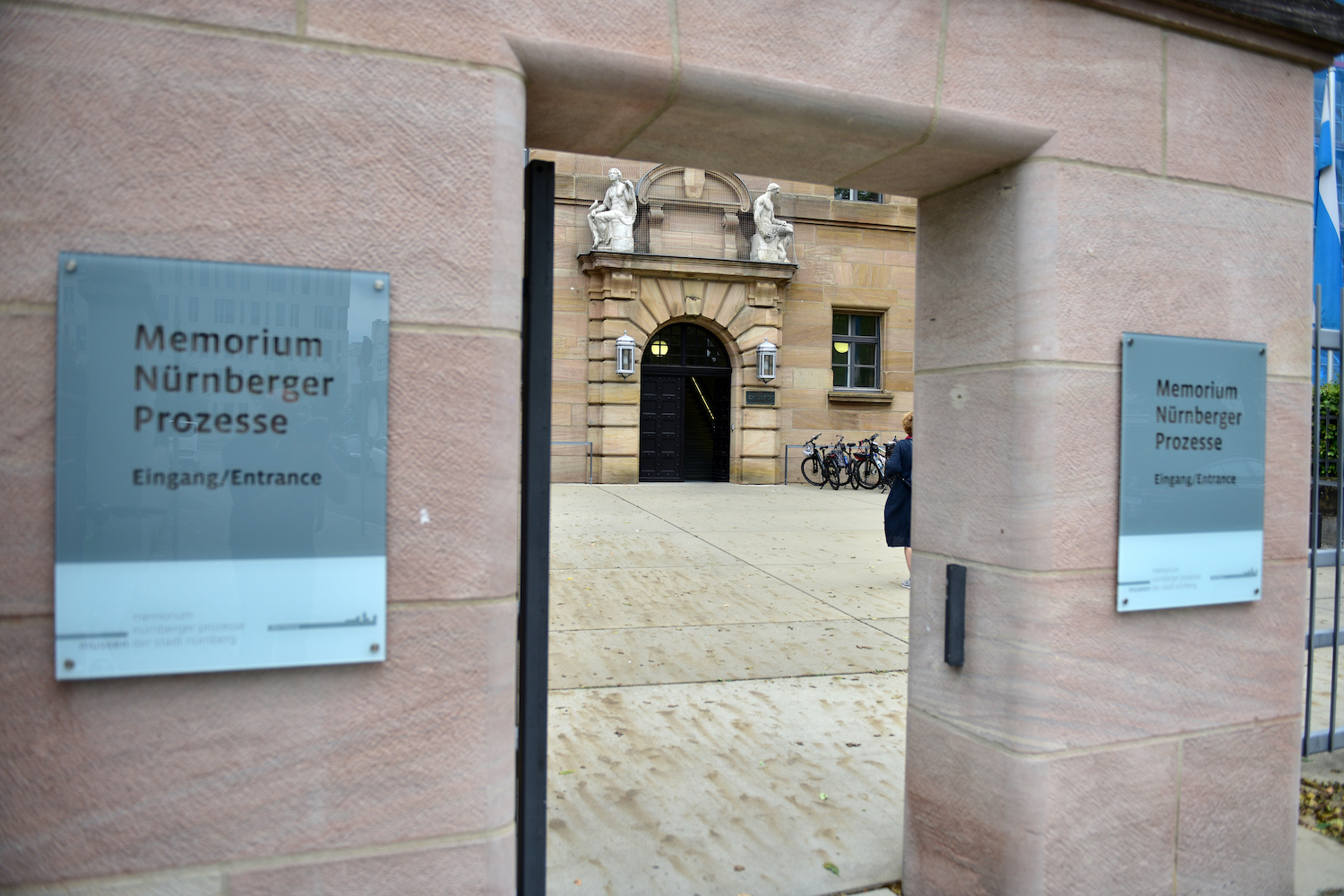
The imposition of collective or national reparations were levied on the countries of the Axis powers after WW2. The August blog suggests it is possible once again that reparations will be sought from Russia, once defeated, for its 2022 invasion of Ukraine and still ongoing war where numerous atrocities in eastern Ukraine have been discovered. Future trials of the perpetrators would be reminiscent of the post-war Nuremberg trials.
However, what processes originally shaped the socio-political events to bring about the application and acceptance of collective political guilt occurring in the first place and how prone are these processes to reducing the complicity of the politically powerful and overstating the complicity of ordinary citizens? The question or problem over appropriate accountability arises.
Its history can be traced back to the earlier modern period from the late sixteenth/ early seventeenth century onwards. This was by the creation of institutions such as the civil or intelligence services, military regiments, educational and healthcare structures, and facilities such as a standing army and foundling hospitals.
The shaping of individual minds on a population wide scale to accept the disciplines and rigours of any social systems requires requisite institutions to develop and to assuage any local or national tensions. However, this needs careful and prolonged organisation and implementation which necessitates the emergence of legal, administrative, and professional classes to create a stability with a recognisable nation state.
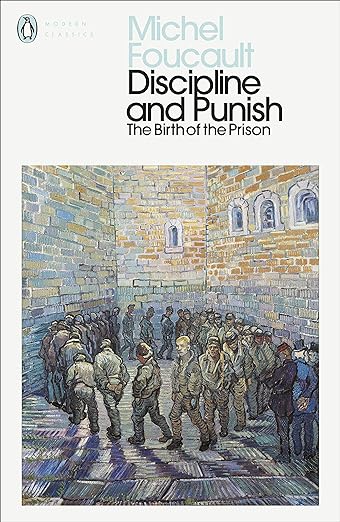
An existing philosophical observation of how this occurred is outlined by post-modernist/post-structuralist influential 20th century French philosopher Michel Foucault’s book Discipline and Punish: The Birth of the Prison (1975, p.191) which states, “it is the individual who has to be trained or corrected through visible and documentary examination techniques which are highly ritualised in form, generating a modern education and training system”.
Thus, education and training from school to university with professional qualification examinations producing, within a growing economy with regulatory authorities, evermore professional experts in ever narrower fields of knowledge and expertise. This educated and privileged section of society readily, learns to define and limit their individual or group responsibility through multiple disciplinary criteria where involvement and culpability can be diffused using disclaimer clauses. As Foucault claimed it creates no particular focus or group collective control as power is diffused throughout the economy, or throughout governmental, civil, and commercial agencies.
These national institutions are the stand-alone controlling entities responsible for making and shaping policy and resulting actions where mistakes and injustices occur. With individual control diffused throughout national institutions through protective legal disclaimers. These diffusing techniques can frustrate the means to find and prosecute culpable individuals, professional or commercial organisations.
Thus, this diffusion or deflection of wrongdoing and injustices of those responsible enables them to plausibly deny accountability concerning the true extent of their participation in wrong-doings and injustices. Trying to alter such techniques can also have consequences not only of false accusation to those in charge but not having anyone willing to be in charge at all.
In conclusion a transference and misapplication of culpability from the more directly accountable to a less deserving grouping of the general citizenry with respective implementation of reparations applied across a large group or nation is problematic on many levels. This can be referred to as the Problem of Appropriate Accountability, where culpability and complicity are retrospectively applied to non-participatory citizens or those substantially removed from knowledge or effective power over events.
References and Further Reading-
Foucault, M (1975) ‘Discipline and Punish: The Birth of the Prison’ (Tr.) A. Sheridan, London: Penguin Books
Jaspers, K (1947) ‘The Question of German Quilt’, (tr.) E.B Ashton, New York 2000: Fordham University Press. [Online] Available at: ProQuest eBook Central – Reader (website accessed 16 Jun 2022)
Little Deal Clincher (2023) August Blog: ‘Complicity: Accepting It’s Your Fault Forever’, 2023 The Little Deal Clincher, [Online] Available at: Complicity: Accepting It Is Your Fault Forever? – The Little Deal Clincher
Thompson, J (2006) ‘Political Complicity: Democracy and Shared Responsibility’, in Primoratz, I. (ed.) Politics and Morality, London: Palgrave Macmillan pp. 153–69. [Online] Available at: ProQuest eBook Central – Reader (website accessed 9 Jun 2022).